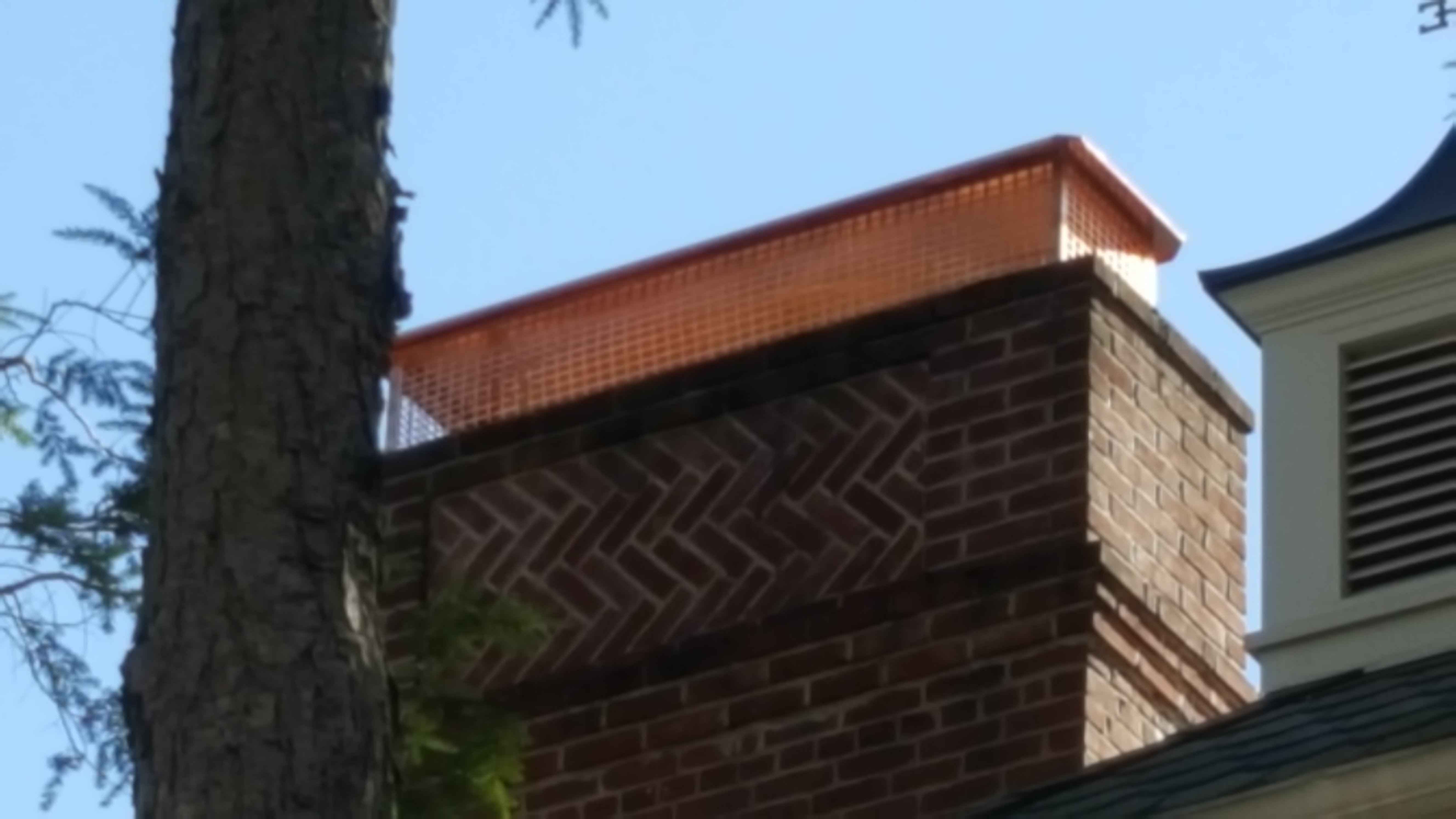
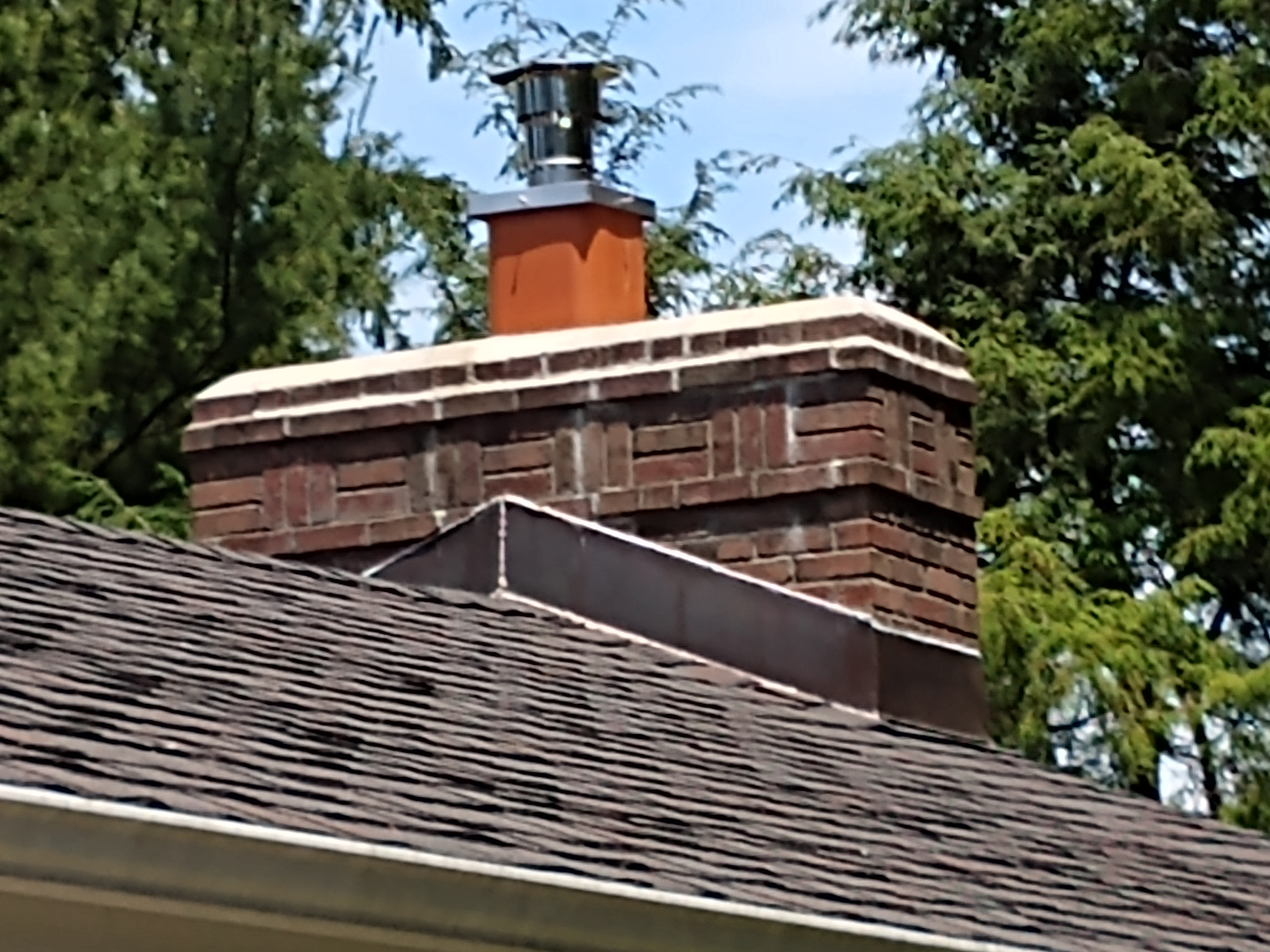
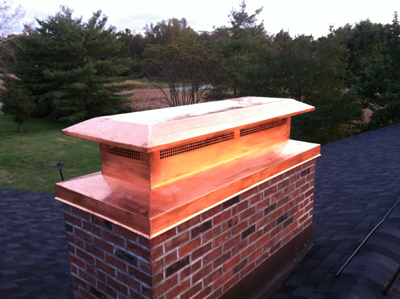
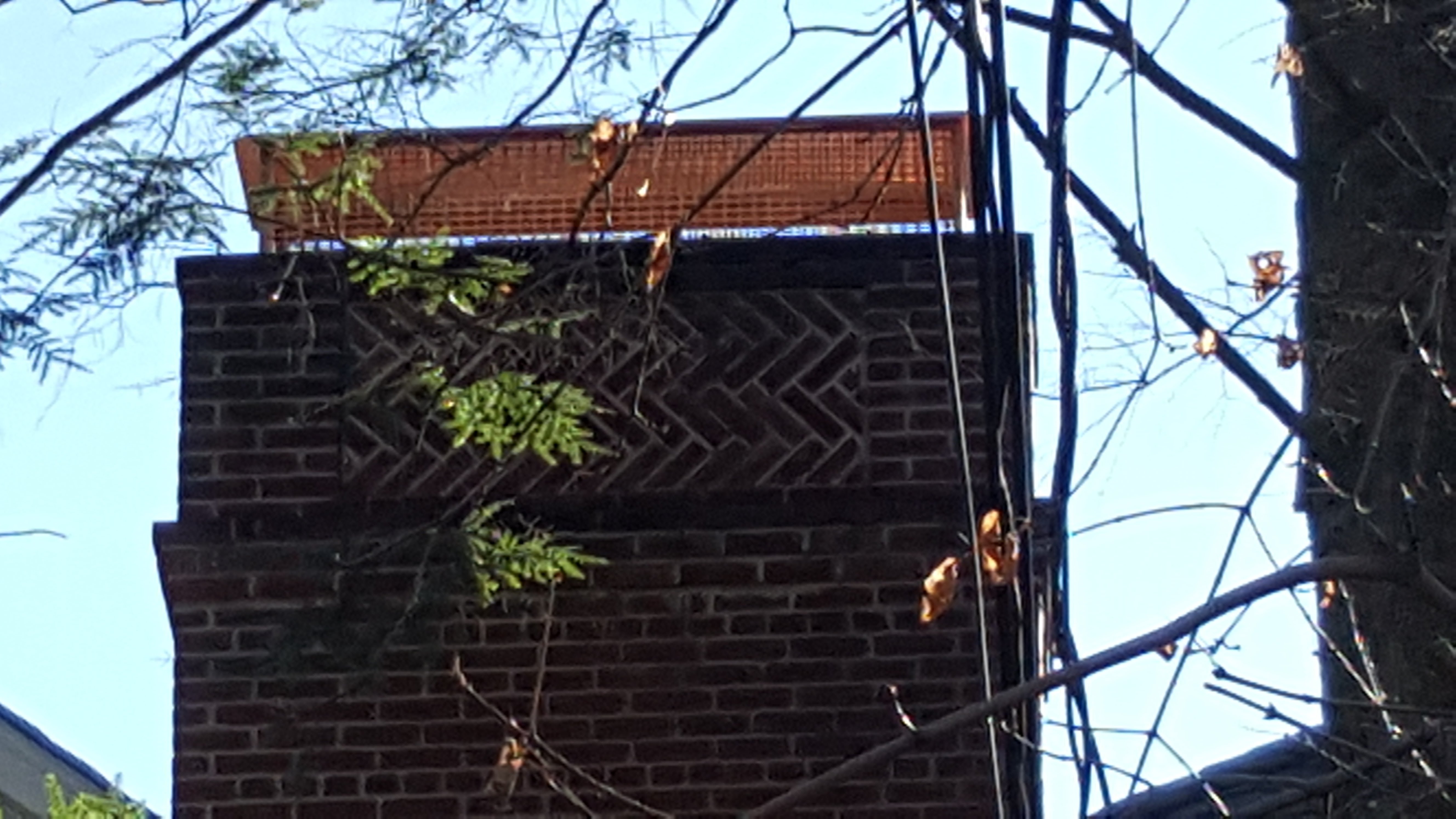
When was your chimney cap last inspected? Most homeowners on Long Island don't think about this small but critical component until something goes wrong. A chimney cap sits at the top of your flue, working quietly year-round to keep water, animals, and debris out of your system. In Franklin Square, where homes were built across several decades and many still rely on oil heat systems, a functioning chimney cap is important protection. Weather on Long Island can be relentless, from heavy winter snowfall to summer thunderstorms to nor'easters that roll in from the Atlantic. Without a proper cap, your chimney becomes vulnerable to serious damage that costs far more to repair than replacement ever would.
The primary job of a chimney cap is simple but vital: keep water out. Rain and melting snow naturally flow downward and inward, and your flue opening is an obvious entry point if nothing blocks it. When water enters the chimney, it saturates the internal walls and mortar. It seeps into the firebox, damaging the hearth and surrounding structure. It weakens the chimney from the inside out. Franklin Square residents who've experienced water damage inside their homes understand how expensive and disruptive repairs become. A cap costs far less than dealing with water staining, deteriorating masonry, rusted dampers, and mold growth inside the chimney cavity.
Animals and birds see an open chimney as an invitation. Raccoons, squirrels, birds, and other wildlife in the Nassau County area frequently enter uncapped chimneys seeking shelter and nesting space. Once inside, they cause real problems. They build nests that block airflow and trap smoke in your home. They leave droppings that create health hazards and foul odors. Their presence can make your fireplace unusable and require expensive removal services. Franklin Square homeowners have called us many times after discovering animal activity in their chimneys. A sturdy cap with proper mesh screening prevents entry completely. It eliminates the need for animal removal and the cleanup that follows.
Debris accumulation is another constant threat, especially after storms. Leaves, twigs, branches, pine needles, and other debris fall into uncapped chimneys regularly, particularly in autumn. Debris restricts airflow, creates fire hazards, and promotes creosote buildup. Strong winds during nor'easters and seasonal storms on Long Island send even larger debris flying onto roofs and into open flues. After a significant storm passes through Franklin Square, we often receive calls from residents dealing with partially blocked chimneys and reduced draft. A quality cap with a mesh or grate design allows smoke to escape while keeping out everything that shouldn't be there.
Wind damage and weather exposure take a real toll on chimney components. The tops of chimneys experience constant exposure to temperature swings, moisture cycling, UV radiation, and high winds. Older homes in Franklin Square, particularly those built in the mid-20th century, often have original chimneys that have weathered decades of Long Island weather. Metal caps corrode and fail over time. Damaged or missing caps leave the flue completely exposed. Even chimneys with caps in poor condition fail to provide adequate protection. DME Maintenance inspects chimney tops regularly and identifies when replacement becomes necessary. You don't want to wait for problems to appear before taking action.
Franklin Square homeowners using oil heat systems have working chimneys that need consistent maintenance and protection. These chimneys experience regular use, especially during the cold months that define much of the year on Long Island. Proper caps ensure that your chimney system functions efficiently and safely. A damaged or missing cap forces your heating system to work harder. It allows outside air and moisture to enter the flue, affecting draft and efficiency. When you invest in reliable heating, invest equally in protecting the components that make it work. Your chimney cap is part of that essential protection layer.
Based on Long Island, DME Maintenance has been a familiar name to homeowners throughout Franklin Square since 2001. We know the housing stock in Franklin Square well — the mix of older oil-heat homes and more recent gas conversions — and we come prepared for both.
Seasonal conditions on Long Island create ongoing challenges for exposed chimneys. Winter brings freezing and thawing cycles that stress masonry and metal alike. Spring and early summer bring heavy rains and occasional flooding. Late summer and fall bring storms with powerful winds and flying debris. Year-round, salt air from proximity to Long Island Sound and ocean areas accelerates corrosion of metal components. Residents of Franklin Square benefit from prompt attention to chimney cap condition before seasonal weather arrives. Don't wait until after damage occurs to address a failing cap. Replacement is straightforward and far more cost-effective than managing the problems that result from neglect.
When a chimney cap needs replacement, the process is straightforward but requires professional expertise. Caps must be properly sized to fit your specific flue dimensions. They must be installed securely to withstand wind uplift and weather stress. Material choices matter, too. Different homes and chimney types benefit from different cap styles and materials. DME Maintenance has been serving Franklin Square and the surrounding Nassau County area since 2001, helping homeowners protect their chimneys and their homes. We evaluate your specific situation and recommend the right solution. Contact DME Maintenance today at 516-690-7471 to schedule a chimney inspection. Don't let another season pass with an unprotected chimney. Call us now and make your home safer.